
Ido-Osun is a historic Yoruba community situated in Egbedore Local Government Area of Osun State, in southwestern Nigeria. The town is recognised for its traditional heritage, ancestral identity, cultural values and enduring connection to the wider history of Yorubaland.For generations, Ido-Osun has maintained a strong sense of community, with its identity shaped by family heritage, traditional leadership, Yoruba customs, indigenous knowledge and the contributions of its people.The town’s history is closely associated with the royal institution of the Alayemore, whose ancestral identity is linked to Ọbalùfọ̀n Aláyémọ̀rẹ in Yoruba historical traditions. This royal heritage remains an important part of the community’s identity and provides a foundation for preserving its history for future generations.Ido-Osun is more than a geographical settlement. It represents a community of people connected by ancestry, culture, shared experiences, traditional values and a collective responsibility to preserve their heritage.Today, the kingdom’s future rests on the ability of its people, traditional institutions, professionals, entrepreneurs, youths and descendants living across the world to work together towards sustainable development.
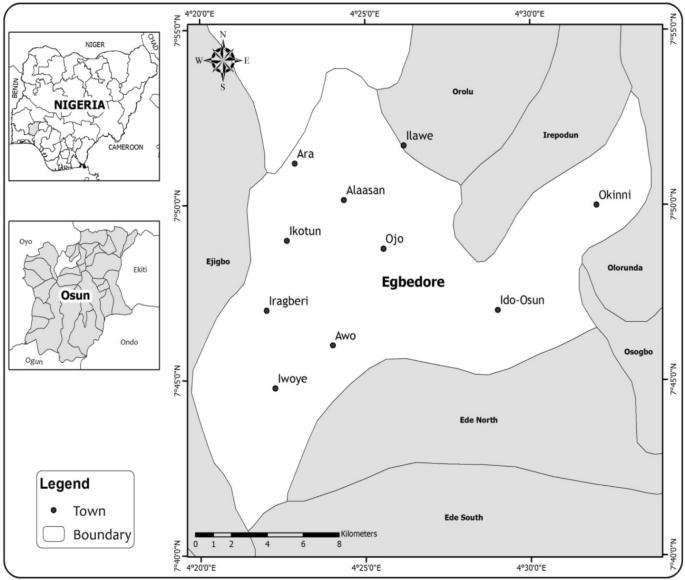
Ido-Osun is located in Egbedore Local Government Area of Osun State, Nigeria. Osun State is situated in the southwestern geopolitical region of the country and is widely associated with Yoruba civilisation, traditional institutions, agriculture, arts and cultural heritage.Its geographical setting connects the community to neighbouring settlements and the wider economic and social activities of Osun State.
 The surrounding environment, waterways and agricultural landscape contribute to the community’s natural and cultural identity.Ido-Osun is also associated with the traditional expression Oníbù Ẹja, commonly connected with fish and aquatic abundance. This expression is part of the local identity and deserves further documentation through oral histories from elders and recognised cultural custodians.
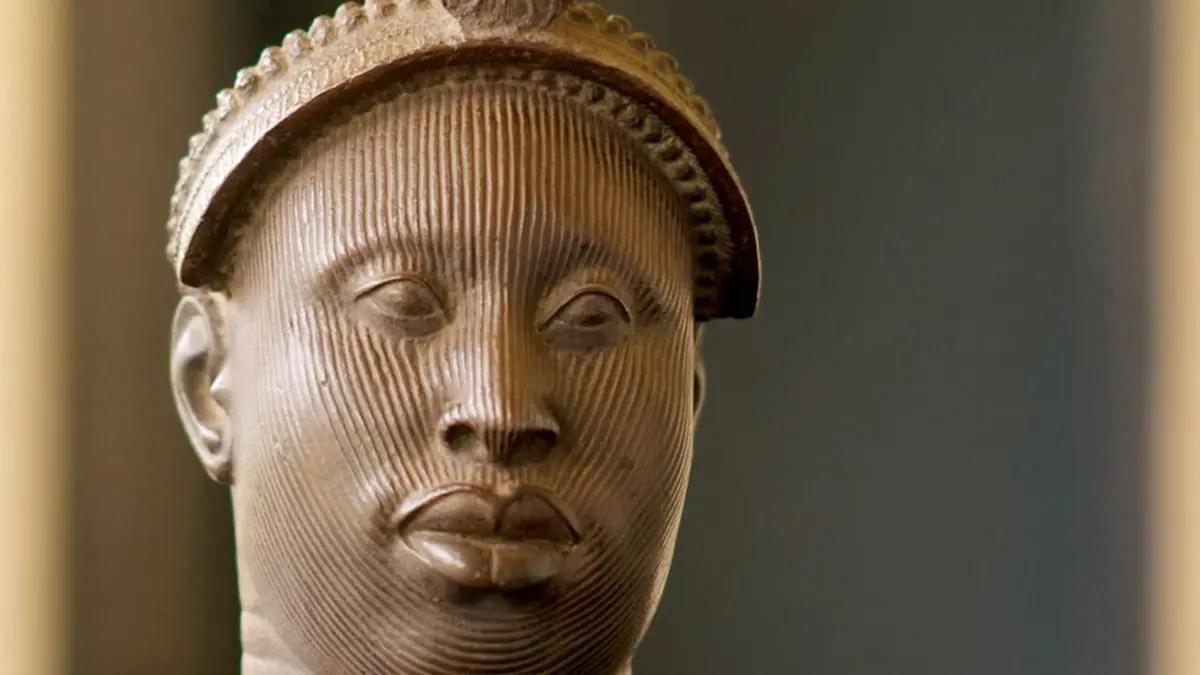
One of the most important aspects of Ido-Osun’s identity is its association with Ọbalùfọ̀n Aláyémọ̀rẹ.Ọbalùfọ̀n Aláyémọ̀rẹ occupies an important place in Yoruba historical traditions and is remembered in connection with the royal heritage of Ile-Ife.Historical scholarship identifies Ọbalùfọ̀n Aláyémọ̀rẹ as a historical ruler of Ile-Ife during the fourteenth century. His legacy is particularly significant in understanding the ancestral and cultural traditions associated with the Alayemore name.For Ido-Osun, this connection represents an important part of its royal identity.The name Alayemore carries historical, cultural and traditional significance. It connects the present generation to an ancestral narrative that should be preserved through historical documentation, palace records, traditional accounts and cultural education.The royal institution represents:Ancestral continuity and historical identity.Preservation of Yoruba traditions and customs.Respect for royal authority and traditional institutions.Unity among families and descendants.Responsibility towards future generations.The promotion of peace and community development.The story of Ọbalùfọ̀n Aláyémọ̀rẹ should remain an important part of the historical archives of Ido-Osun.