Our Rich History
The history of Ido-Osun is an important part of the wider historical narrative of Yorubaland, particularly the traditions associated with Ile-Ife, ancestral migration, traditional kingship and the establishment of Yoruba settlements.
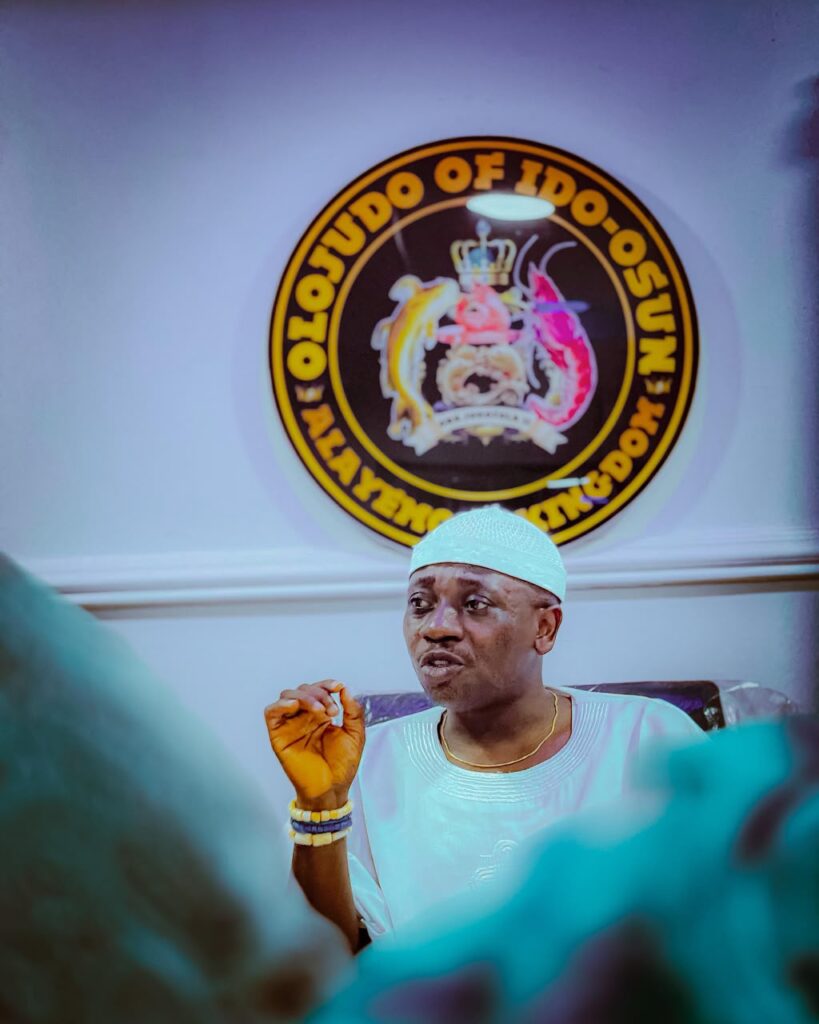
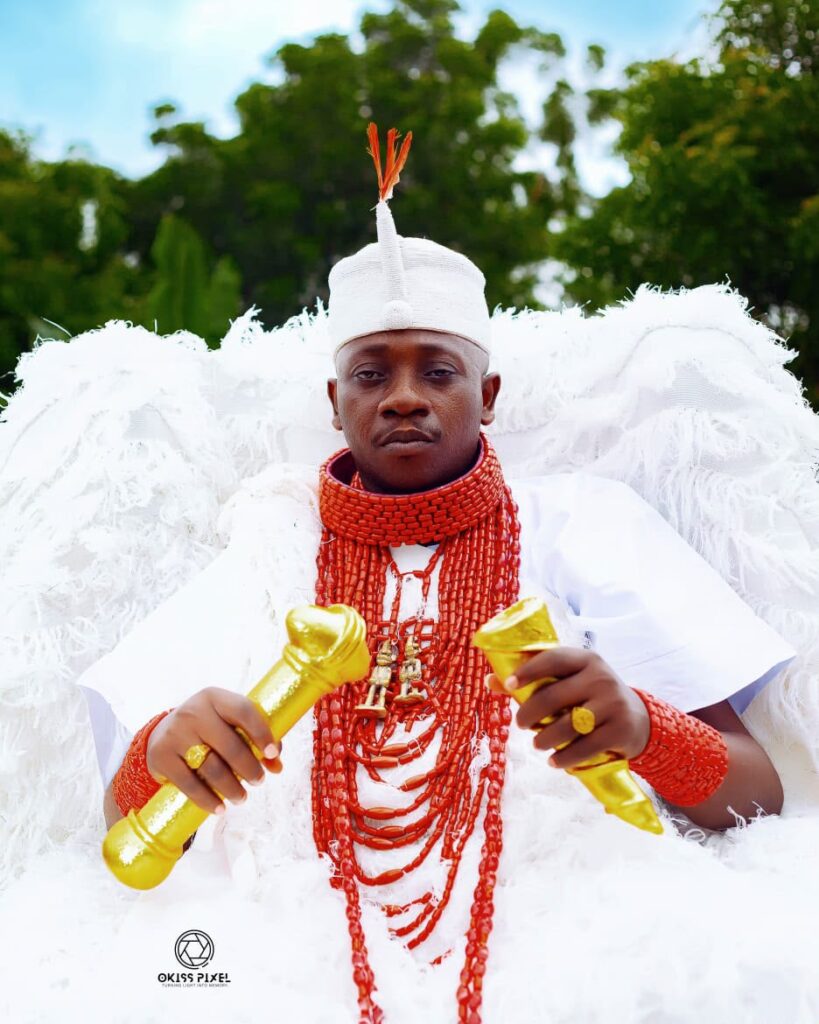
At the heart of the town’s identity is the traditional institution of the Alayemore, also associated with the title Olojudo of Ido-Osun. The institution represents the continuity of royal authority, ancestral heritage and the cultural values that have helped shape the community over generations.

Royal Chronicles
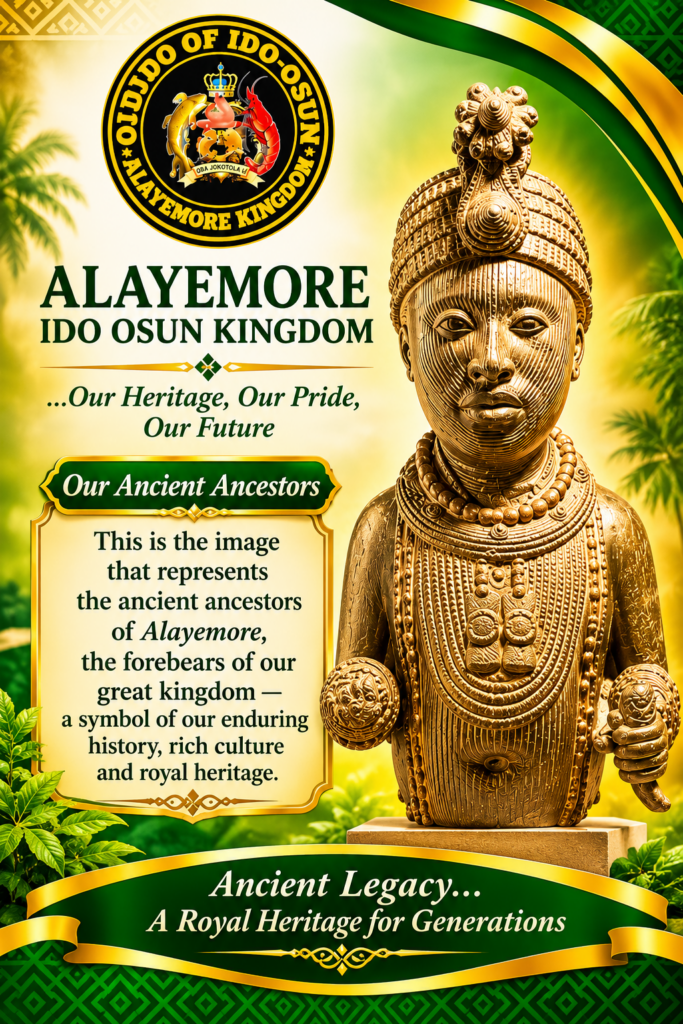
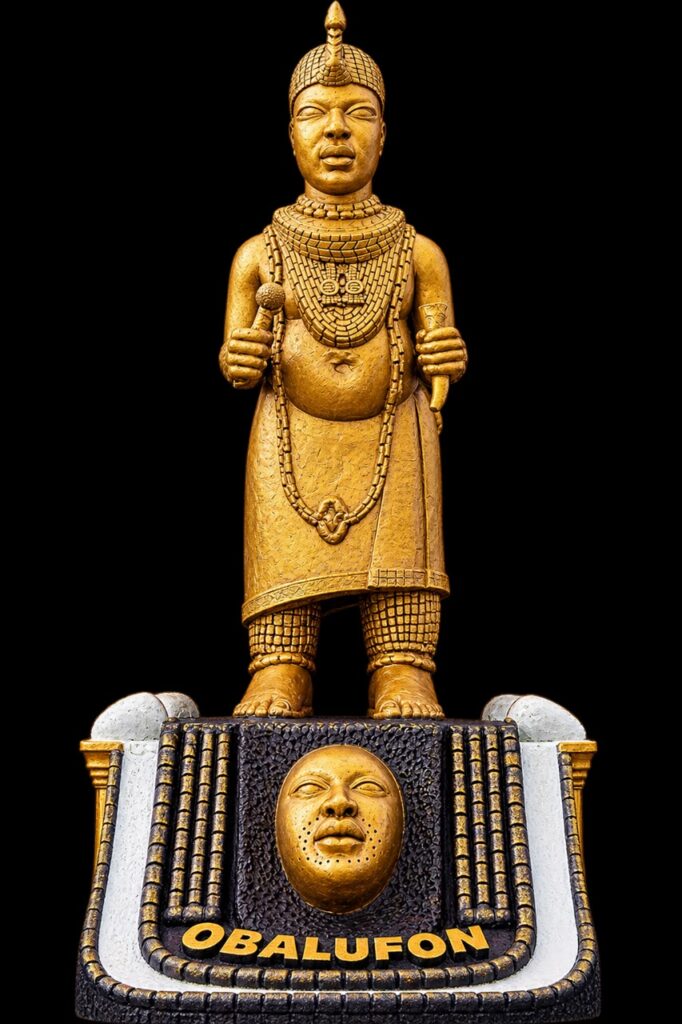
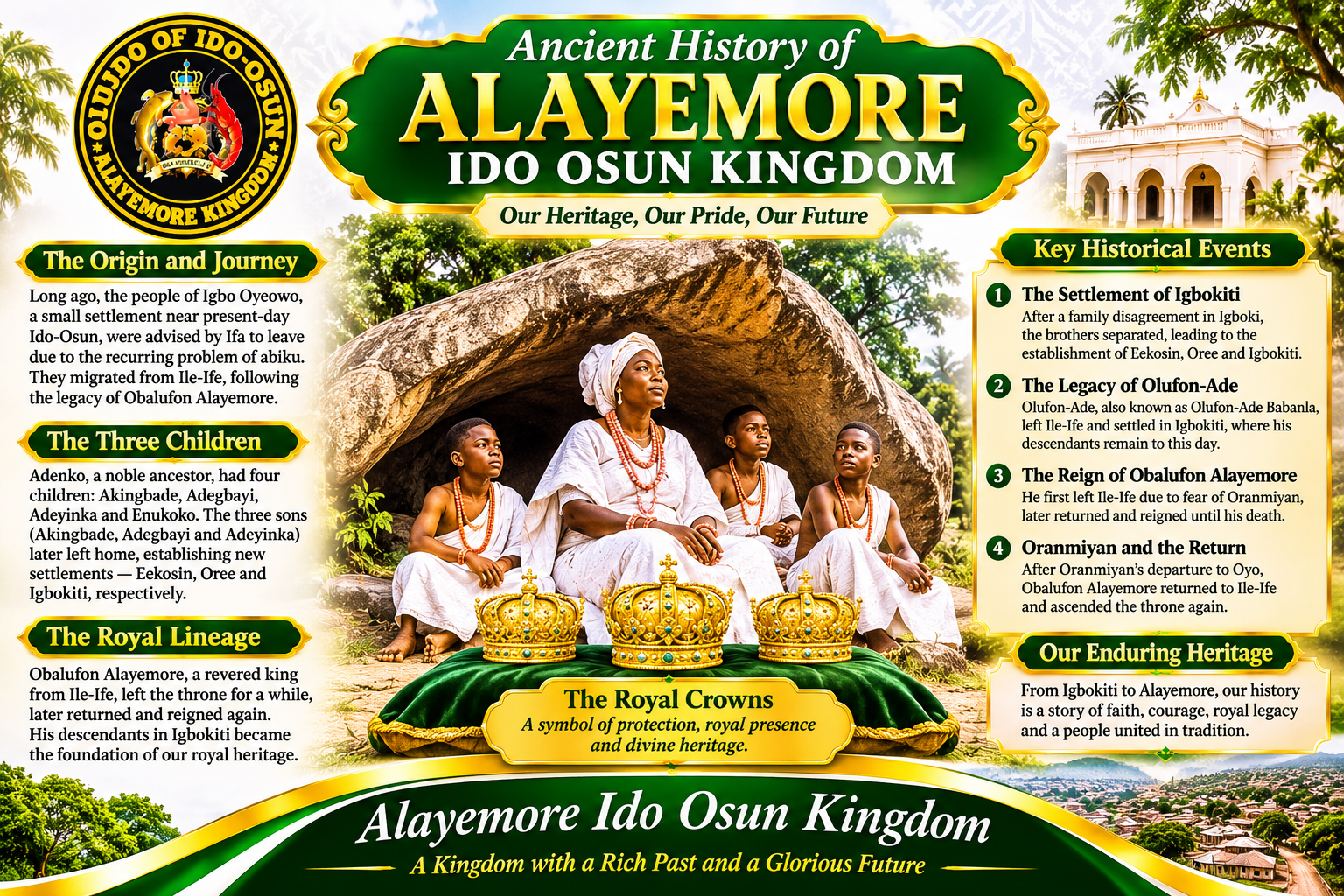
le-Ife is the ancestral home from which our forefathers originated. Agbo Ile Aka was associated with the compound of Oba Jio in our land. Obalufon Ogbogbodirin was a king in Ile-Ife. He was the father of Obalufon Alayemore, who previously reigned as king. Obalufon Alayemore ruled as king in Ile-Ife on two separate occasions. During Obalufon Alayemore’s first reign, his wife, whose name was Aruwe, gave birth to three children at once.
Our Royal Ancestors
“Celebrating the Legacy of Our Royal Fathers in Ido – Osun.”
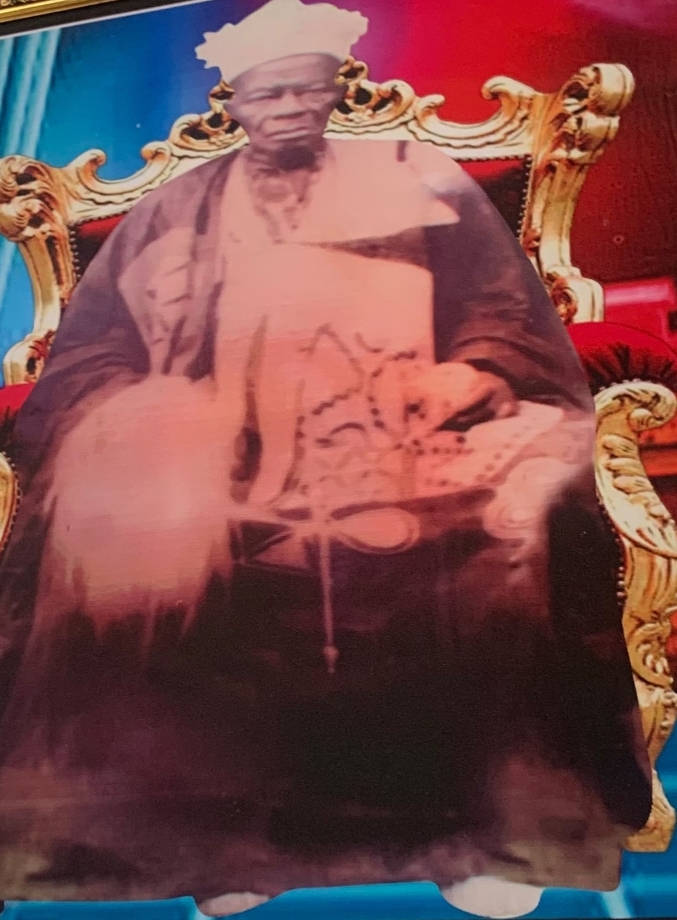
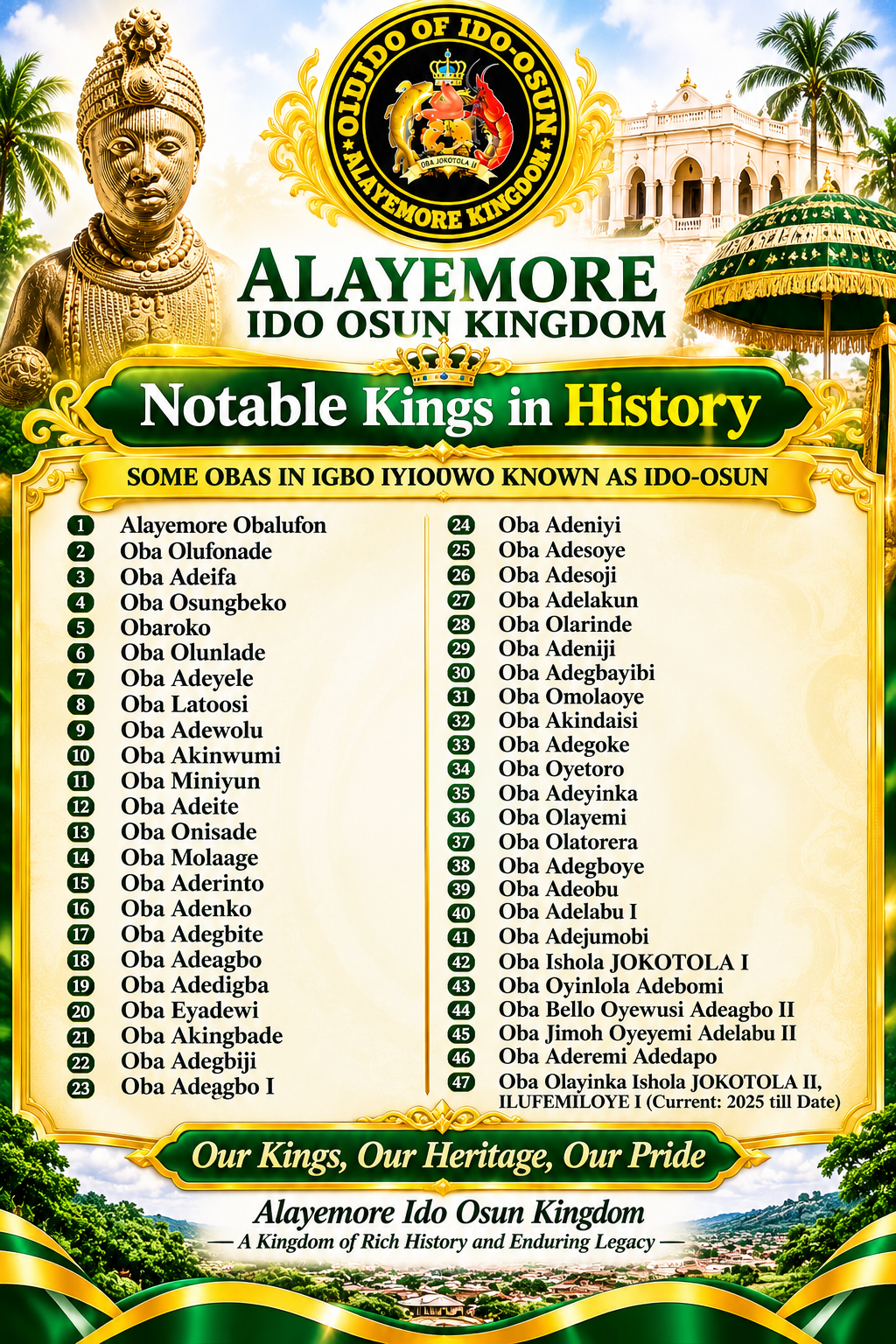
HRM. OBA ISHOLA JOKOTOLA
Nov 1929 – June 1955
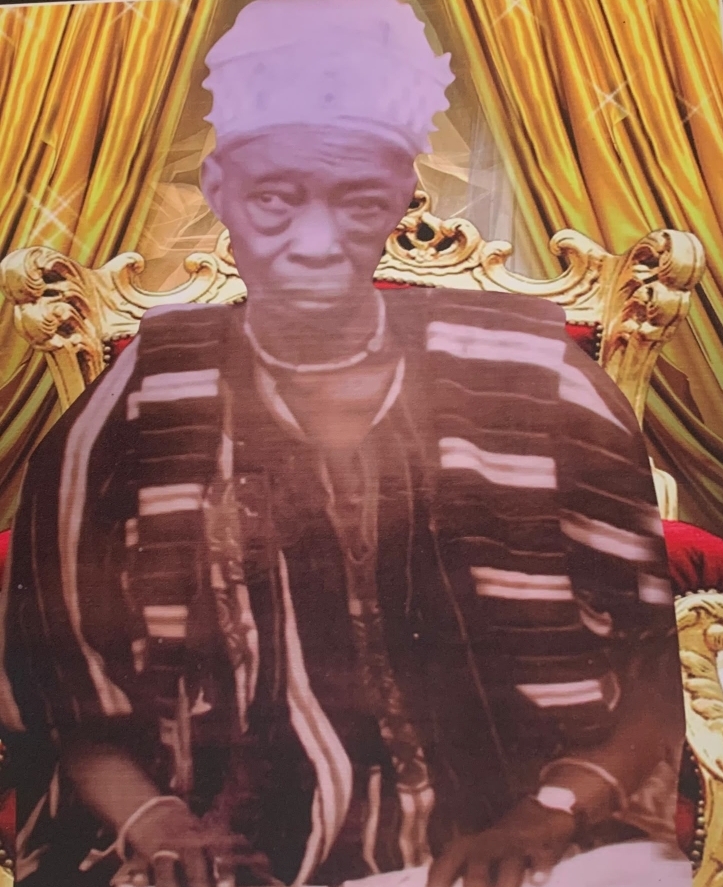
HRM. OBA ALAYELUWA ADEBOMI
1957 – 1959
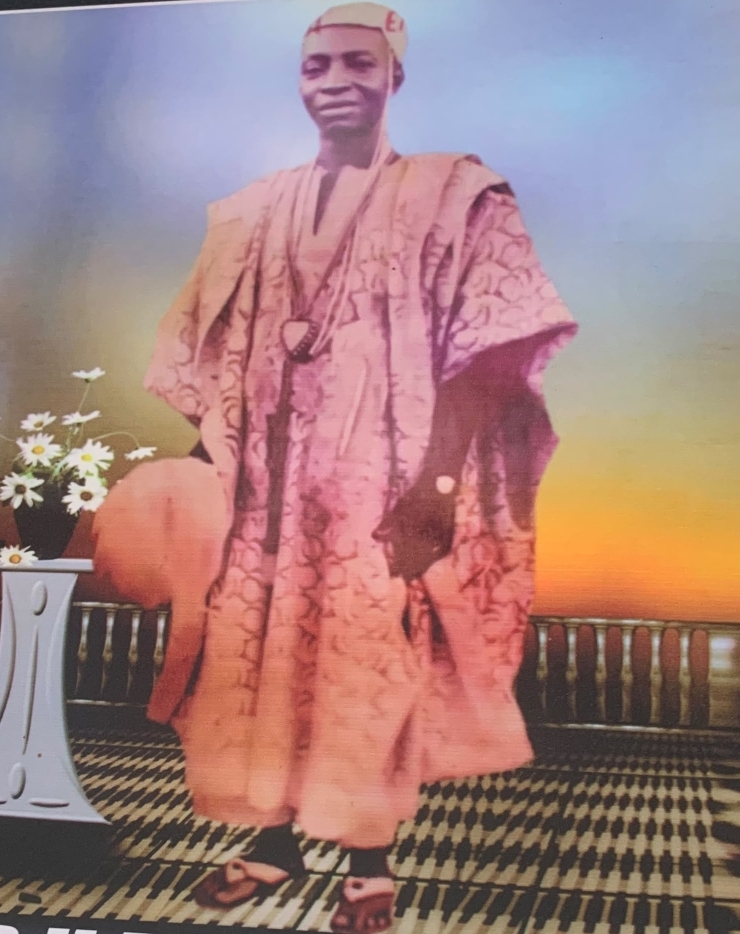
HRM. OBA BELLO OYEWUSI
1957 – 1959
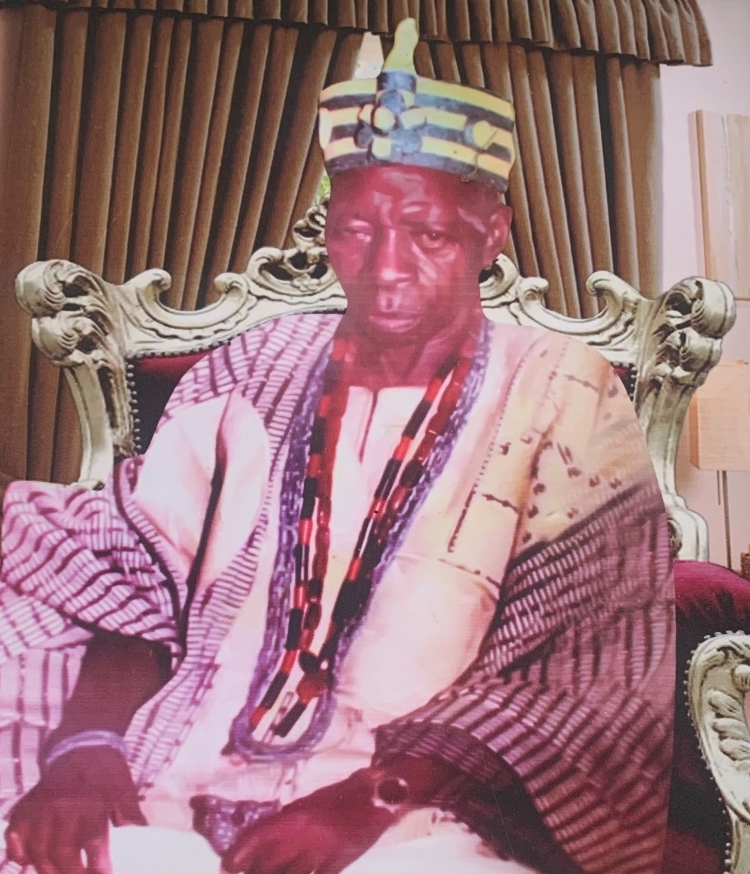
HRM. OBA JIMOH OYEYEMI II (JP)
1977 -2004
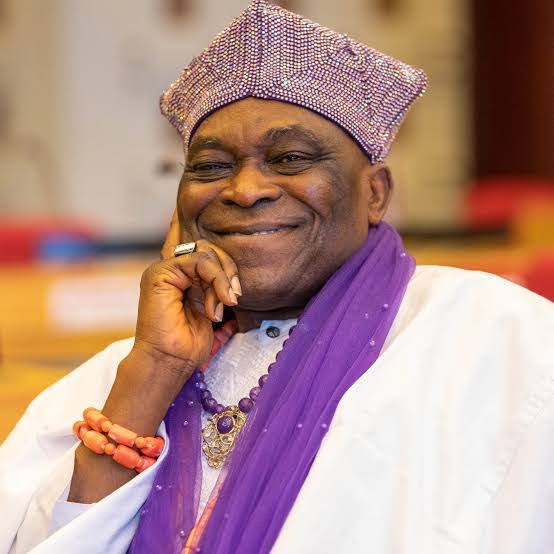
HRM. OBA ADEDAPO ADEREMI
2005 – 2024
Royal Contributions
OBA ISHOLA JOKOTOLA I
Historical Legacy: His reign became part of the kingdom’s documented royal chronology, providing an important reference point for understanding Ido-Osun’s traditional history.
OBA ALAYELUWA ADEBOMI
Cultural Heritage: Formed part of the generation responsible for preserving Yoruba customs, traditional values, royal ceremonies and ancestral identity.
OBA BELLO OYEWUSI
Community Leadership: Served as the traditional figurehead of the community, with responsibilities associated with customary leadership, social order and communal affairs.
OBA JIMOH OYEYEMI (JP)
Preservation of Royal Authority: Sustained the traditional institution and royal authority of Ido-Osun during his time on the throne.
OBA ADEDAPO ADEREMI
Royal Continuity: Contributed to the historical succession of the Alayemore throne, helping maintain the institution for subsequent generations.
Descendants insight
Ido-Osun is more than the place where our ancestors lived; it is the foundation of our identity. We must preserve our traditions, respect our royal institution and ensure that our children understand where they come from.”
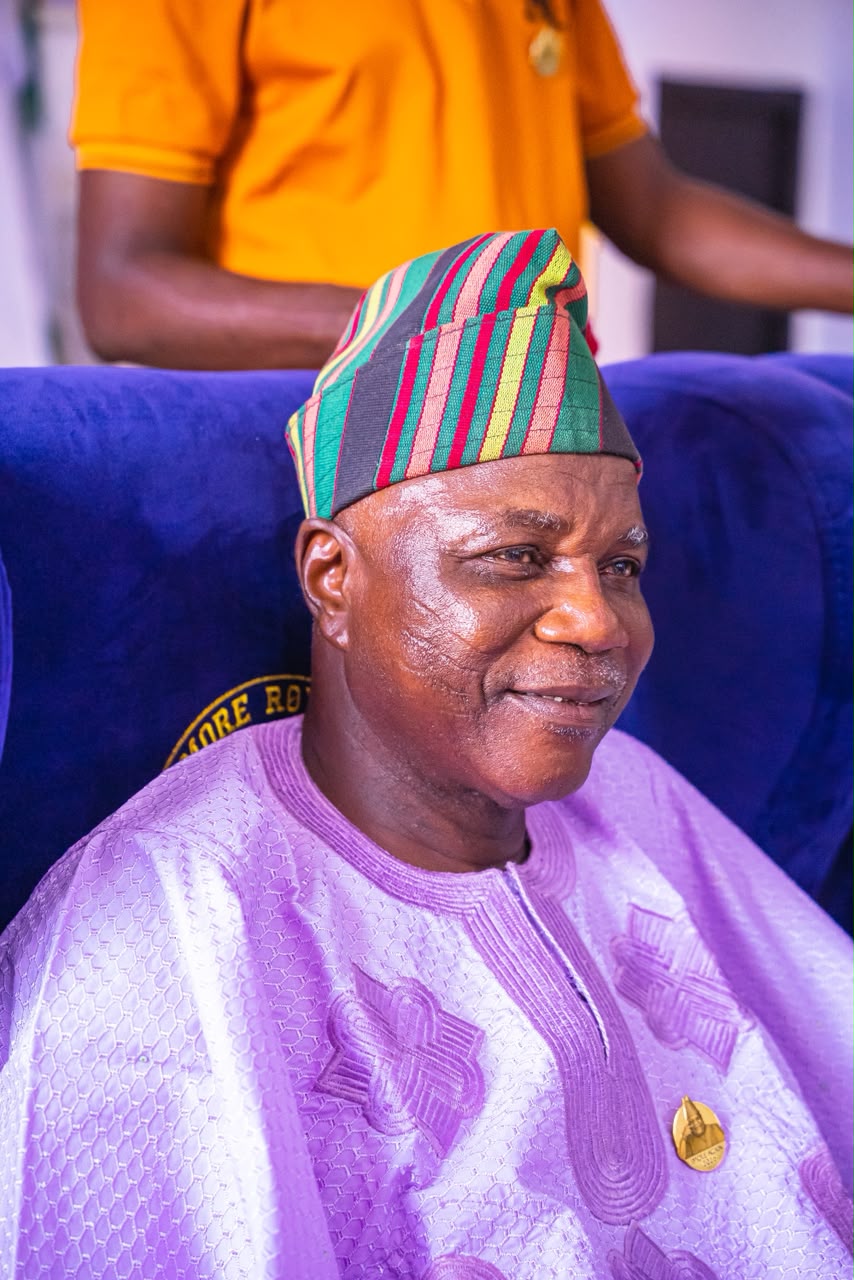
HON. Akinwale Ajetunmobi
Oluomo of Ido osun Alayemore Kingdom
Am proud to be a daughter of Ido-Osun. Our heritage gives us a sense of belonging and responsibility. I believe every indigene should contribute something meaningful towards the development of our ancestral home.”
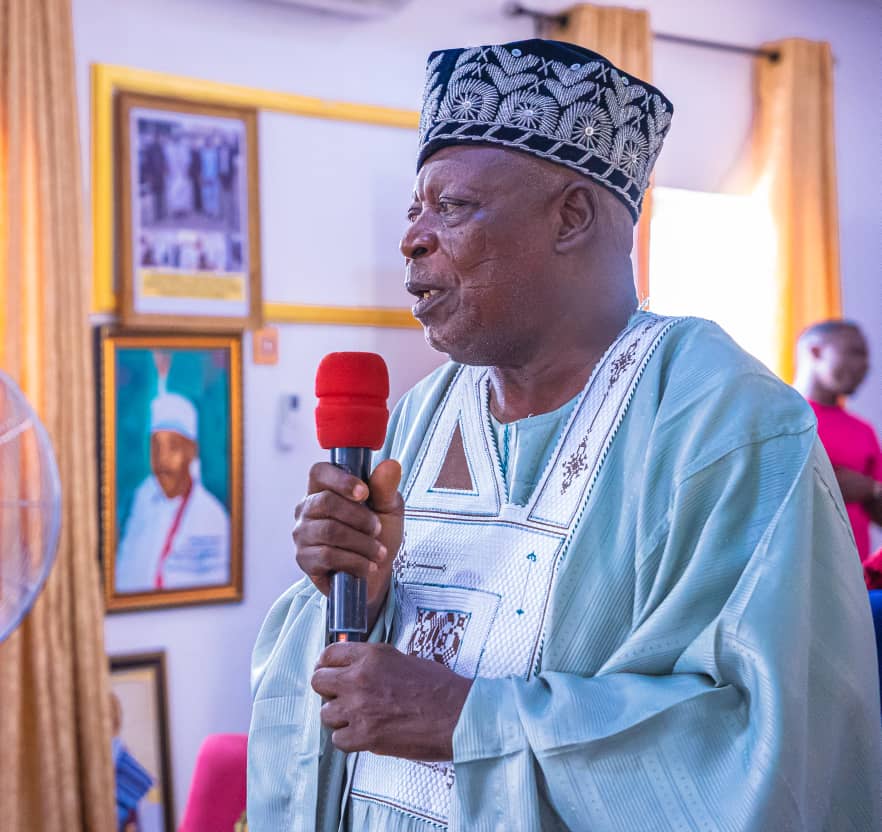
ALHAJI GBADEBO OYE AJAO
Chairman Ido-Osun Advisory Council
“The strength of Ido-Osun lies in its people. I look forward to a community where education, healthcare and opportunities are accessible to everyone, especially our children and vulnerable families.”
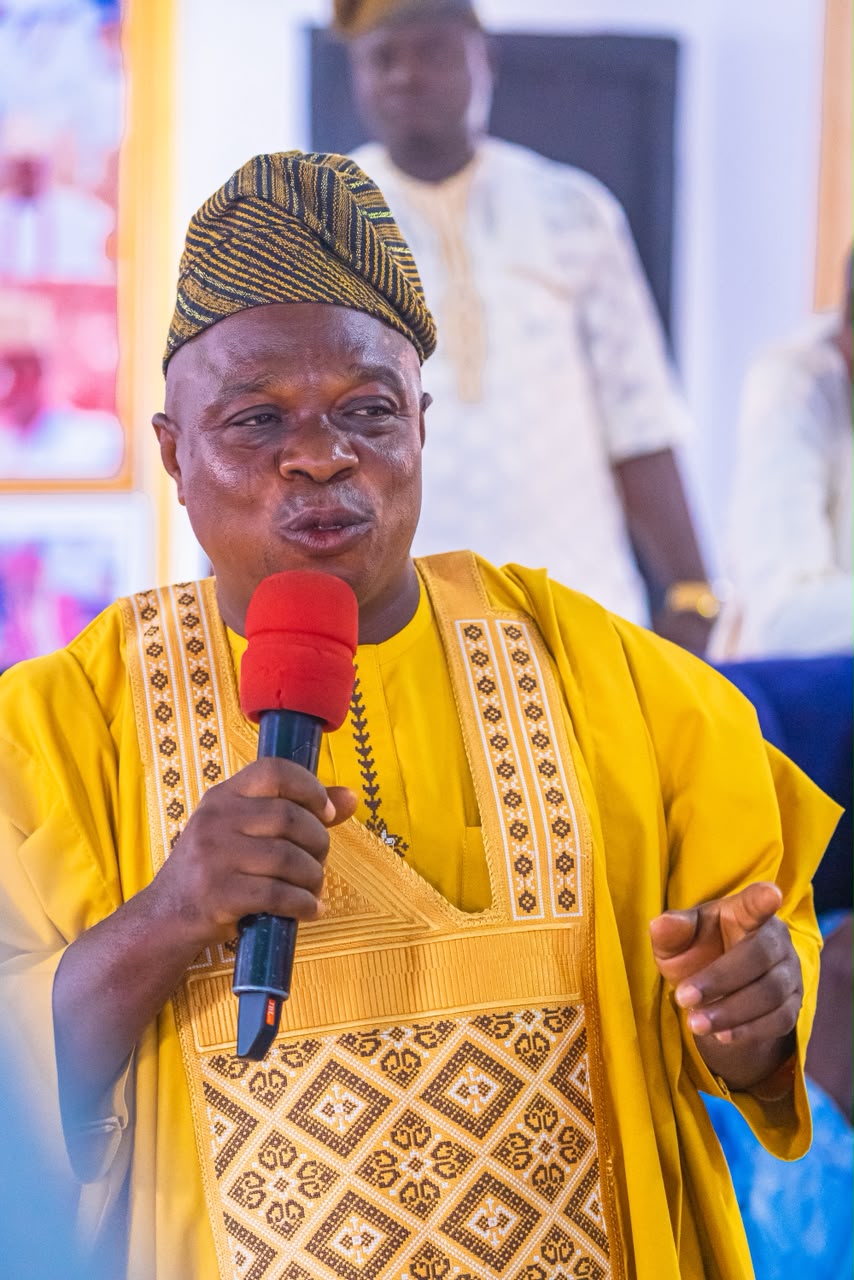
Hon Abiodun Awolola
Okanlomo Ido – Osun in View
Ido – Osun Historical Background
Explore the rich history, ancient origins, cultural heritage and historical evolution of Ido-Osun, celebrating the traditions, ancestral roots and royal legacy that have shaped the kingdom across generations.
What you need to know about Ido – Osun
This unusual occurrence astonished the chiefs of Ife to such an extent that they no longer wanted the family to visit the Olufe Palace.When the matter came to the king’s attention, he ordered Aruwe and her children to leave the town. He assigned someone to accompany them. His intention was that, rather than having people kill them with their own hands, dangerous wild animals would kill and devour them in the forest.The children, their mother, and the person accompanying them took shelter beneath a large rock. The rock provided protection from rain, sunshine, and other dangers, including attacks by wild animals.
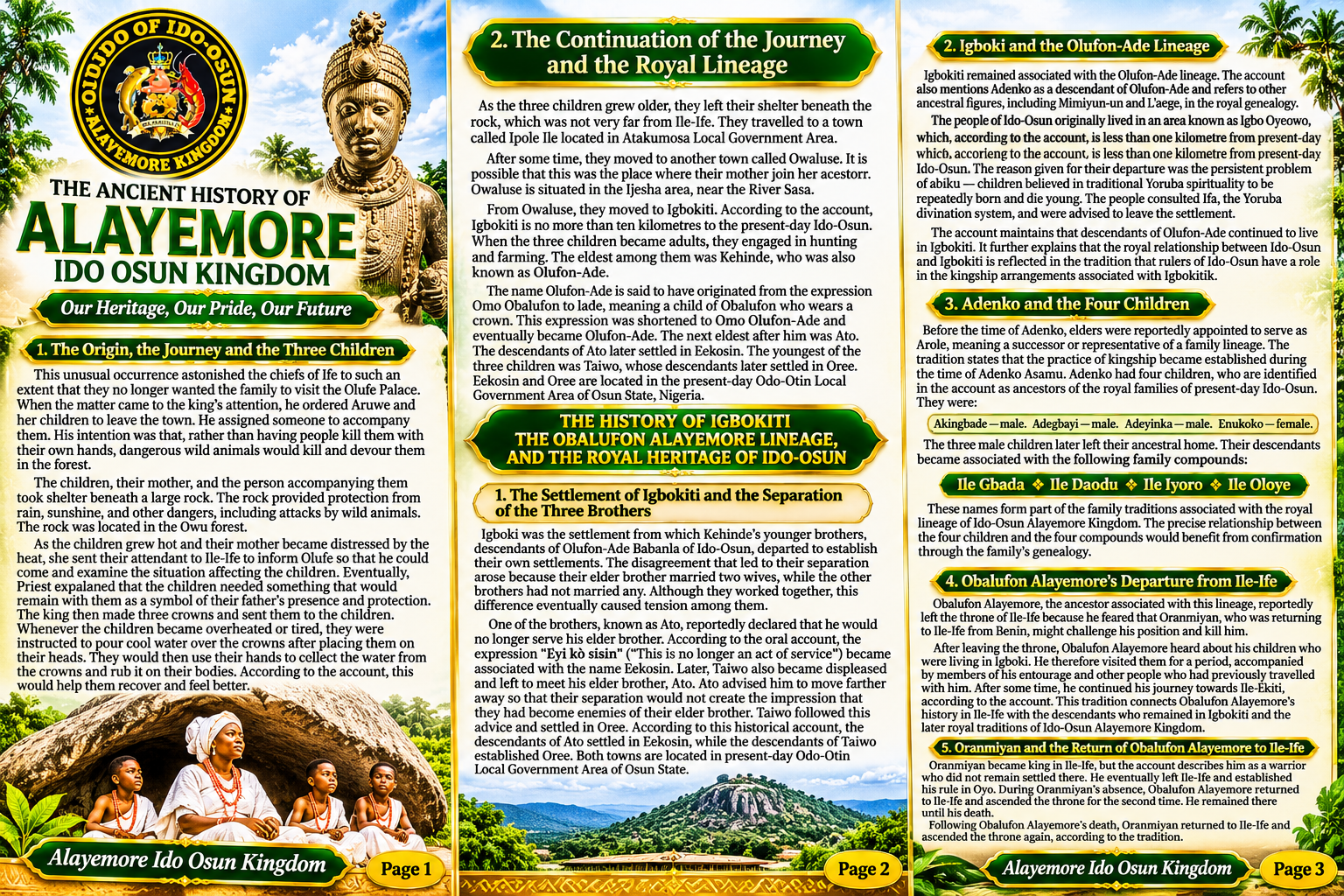
The rock was located in the Owu forest. As the children grew hot and their mother became distressed by the heat, she sent their attendant to Ile-Ife to inform Olufe so that he could come and examine the situation affecting the children. Eventually, Priest explained that the children needed something that would remain with them as a symbol of their father’s presence and protection. The king then made three crowns and sent them to the children. Whenever the children became overheated or tired, they were instructed to pour cool water over the crowns after placing them on their heads. They would then use their hands to collect the water from the crowns and rub it on their bodies. According to the account, this would help them recover and feel better.As the three children grew older, they left their shelter beneath the rock, which was not very far from Ile-Ife. They travelled to a town called Ipole Ile located in Atakumosa Local Government Area. After some time, they moved to another town called Owaluse. It is possible that this was the place where their mother join her acestorr. Owaluse is situated in the Ijesha area, near the River Sasa.From Owaluse, they moved to Igbokiti. According to the account, Igbokiti is no more than ten kilometres to the present-day Ido-Osun. When the three children became adults, they engaged in hunting and farming. The eldest among them was Kehinde, who was also known as Olufon-Ade.The name Olufon-Ade is said to have originated from the expression Omo Obalufon to lade, meaning a child of Obalufon who wears a crown. This expression was shortened to Omo Olufon-Ade and eventually became Olufon-Ade. The next eldest after him was Ato.
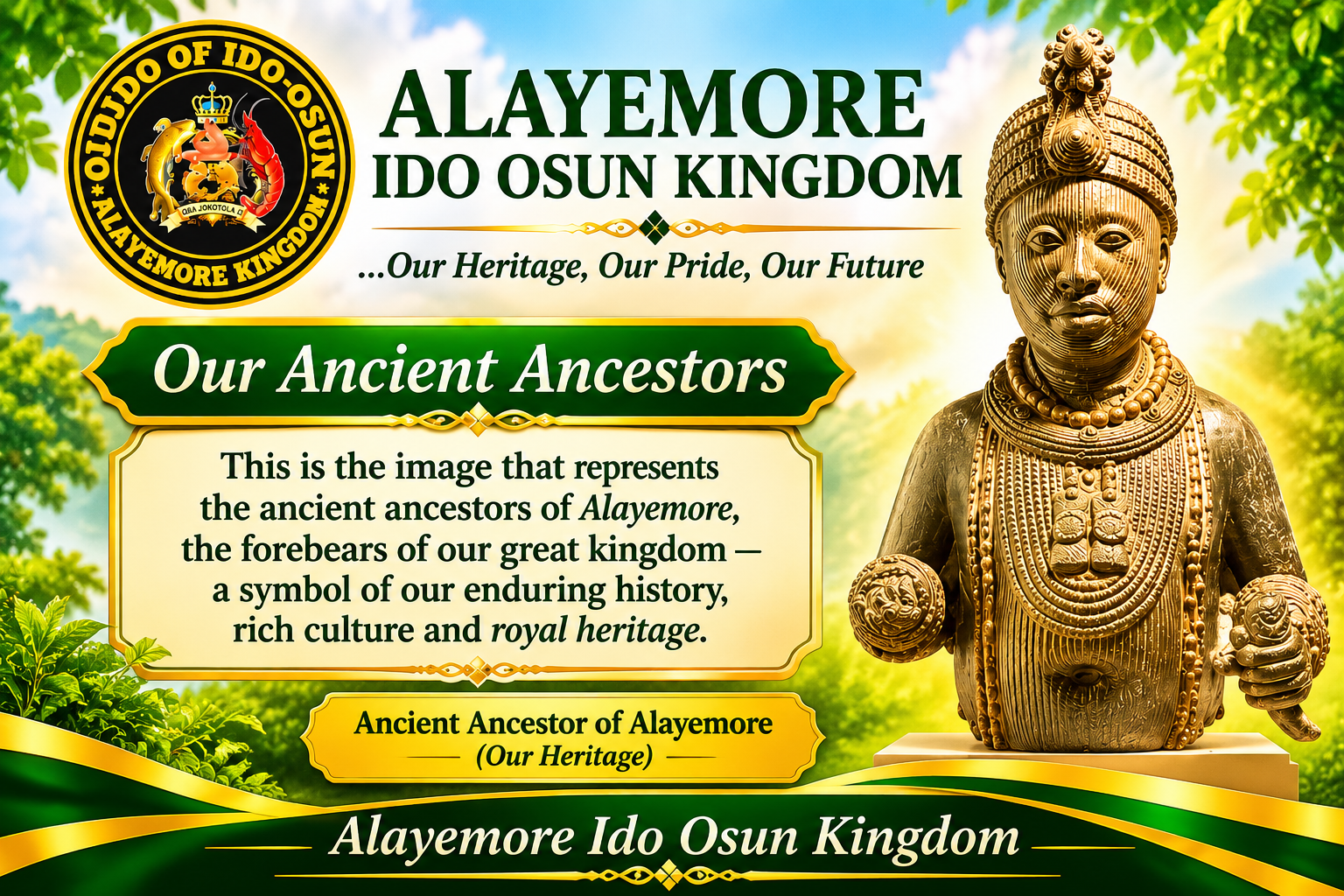
THE ANCIENT HISTORY OF ALAYEMORE
The ancestral account and royal heritage of Ido-Osun.
The descendants of Ato later settled in Eekosin. The youngest of the three children was Taiwo, whose descendants later settled in Oree. Eekosin and Oree are located in the present-day Odo-Otin Local Government Area of Osun State, Nigeria.THE HISTORY OF IGBOKITI THE OBALUFON ALAYEMORE LINEAGE, AND THE ROYAL HERITAGE OF IDO-OSUN 1. The Settlement of Igbokiti and the Separation of the Three Brothers, Igboki was the settlement from which Kehinde’s younger brothers, descendants of Olufon-Ade Babanla of Ido-Osun, departed to establish their own settlements. The disagreement that led to their separation arose because their elder brother married two wives, while the other brothers had not married any. Although they worked together, this difference eventually caused tension among them.One of the brothers, known as Ato, reportedly declared that he would no longer serve his elder brother. According to the oral account, the expression “Èyí kò sísìn” (“This is no longer an act of service”) became associated with the name Eekosin. Later, Taiwo also became displeased and left to meet his elder brother, Ato. Ato advised him to move farther away so that their separation would not create the impression that they had become enemies of their elder brother. Taiwo followed this advice and settled in Oree. According to this historical account, the descendants of Ato settled in Eekosin, while the descendants of Taiwo established Oree. Both towns are located in present-day Odo-Otin Local Government Area of Osun State. 2. Igboki and the Olufon-Ade LineageIgbokiti remained associated with the Olufon-Ade lineage. The account also mentions Adenko as a descendant of Olufon-Ade and refers to other ancestral figures, including Mimiyun-un and L’aege, in the royal genealogy.The people of Ido-Osun originally lived in an area known as Igbo Oyeowo, which, according to the account, is less than one kilometre from present-day Ido-Osun. The reason given for their departure was the persistent problem of abiku — children believed in traditional Yoruba spirituality to be repeatedly born and die young.
The people consulted Ifa, the Yoruba divination system, and were advised to leave the settlement.The account maintains that descendants of Olufon-Ade continued to live in Igbokiti. It further explains that the royal relationship between Ido-Osun and Igbokiti is reflected in the tradition that rulers of Ido-Osun have a role in the kingship arrangements associated with Igbokitik 3. Adenko and the Four Children Before the time of Adenko, elders were reportedly appointed to serve as Arole, meaning a successor or representative of a family lineage. The tradition states that the practice of kingship became established during the time of Adenko Asamu. Adenko had four children, who are identified in the account as ancestors of the royal families of present-day Ido-Osun. They were: Akingbade — male. Adegbayi — male. Adeyinka — male. Enukoko — female.The three male children later left their ancestral home. Their descendants became associated with the following family compounds: Ile GbadaIle DaoduIle IyoroIle OloyeThese names form part of the family traditions associated with the royal lineage of Ido-Osun Alayemore Kingdom. The precise relationship between the four children and the four compounds would benefit from confirmation through the family’s genealogy. 4. Obalufon Alayemore’s Departure from Ile-Ife Obalufon Alayemore, the ancestor associated with this lineage, reportedly left the throne of Ile-Ife because he feared that Oranmiyan, who was returning to Ile-Ife from Benin, might challenge his position and kill him.After leaving the throne, Obalufon Alayemore heard about his children who were living in Igboki. He therefore visited them for a period, accompanied by members of his entourage and other people who had previously travelled with him.After some time, he continued his journey towards Ile-Ekiti, according to the account.This tradition connects Obalufon Alayemore’s history in Ile-Ife with the descendants who remained in Igbokiti and the later royal traditions of Ido-Osun Alayemore Kingdom.5. Oranmiyan and the Return of Obalufon Alayemore to Ile-Ife Oranmiyan became king in Ile-Ife, but the account describes him as a warrior who did not remain settled there. He eventually left Ile-Ife and established his rule in Oyo.During Oranmiyan’s absence, Obalufon Alayemore returned to Ile-Ife and ascended the throne for the second time. He remained there until his death.Following Obalufon Alayemore’s death, Oranmiyan returned to Ile-Ife and ascended the throne again, according to the tradition.
© All Rights Reserved @ Oba Olayinka Oyetunde Ishola Jokotola II